
Activewear Sets: Map Top and Shorts Sizes
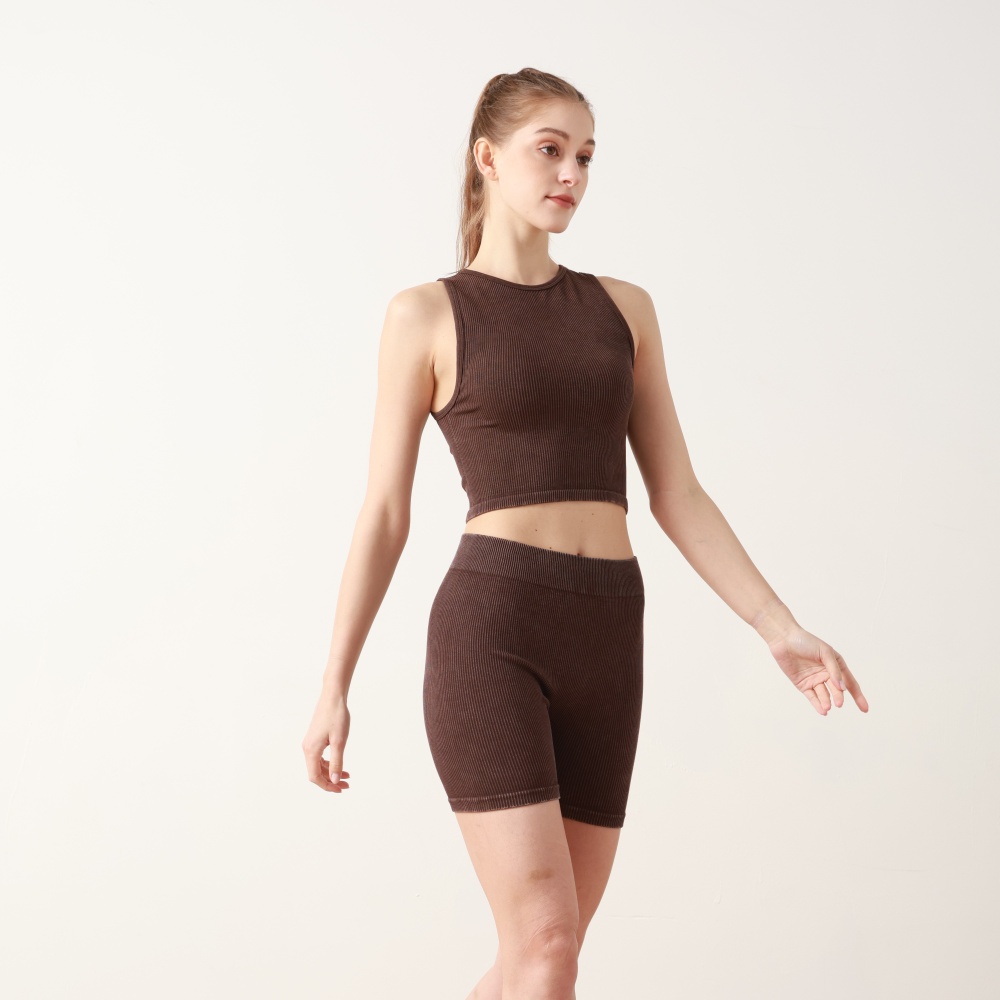
Describe an activewear set with an explicit list of supplied garments and a separate size reference for each component. Link those references to one order line when they form a selling unit. Ask the supplier to confirm whether the pictured combination is the offer being quoted. A coordinated photograph does not establish included pieces, size pairing or an approved assortment.
A matching top and shorts photograph can make the design direction easy to understand while leaving the purchasing unit unresolved. The buyer still needs to know which garments are supplied together and how their sizes are mapped. This guide focuses on that component-to-order relationship rather than assuming that every coordinated appearance is a complete confirmed set.
Identify the offer behind the pictured combination
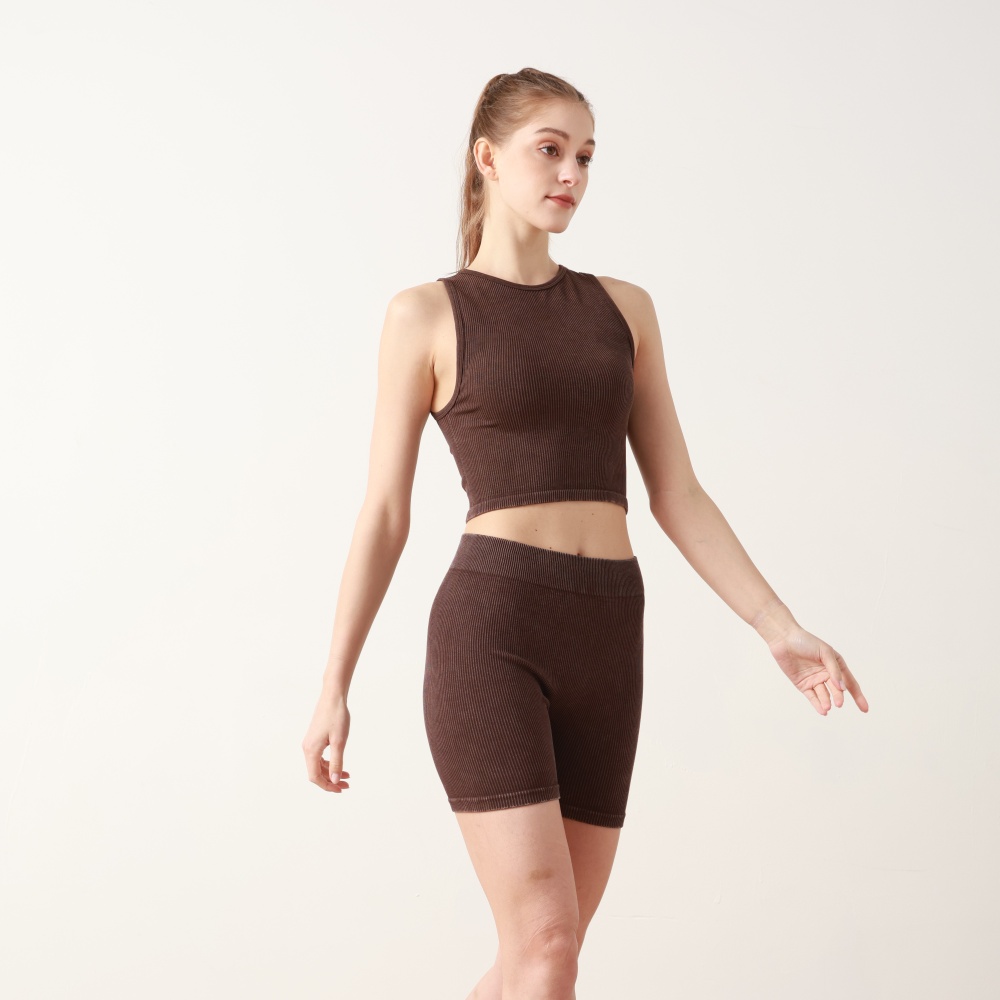
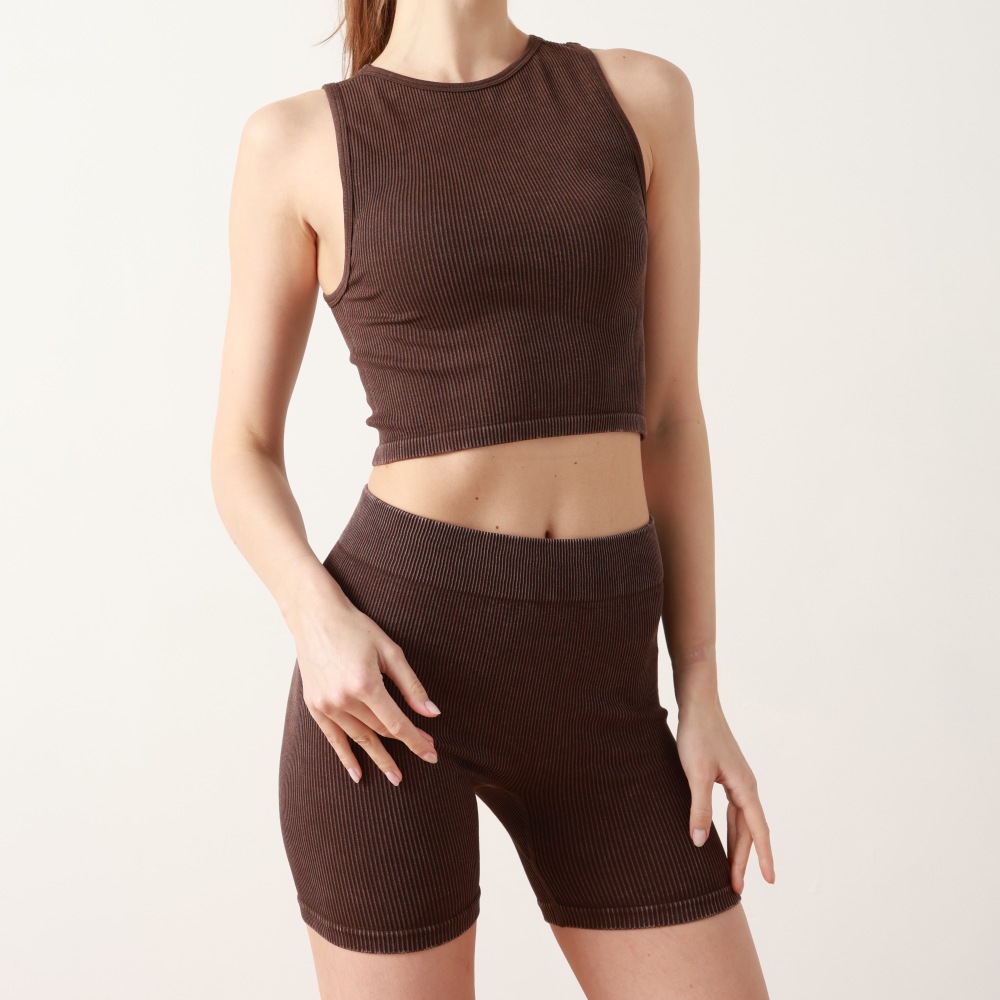
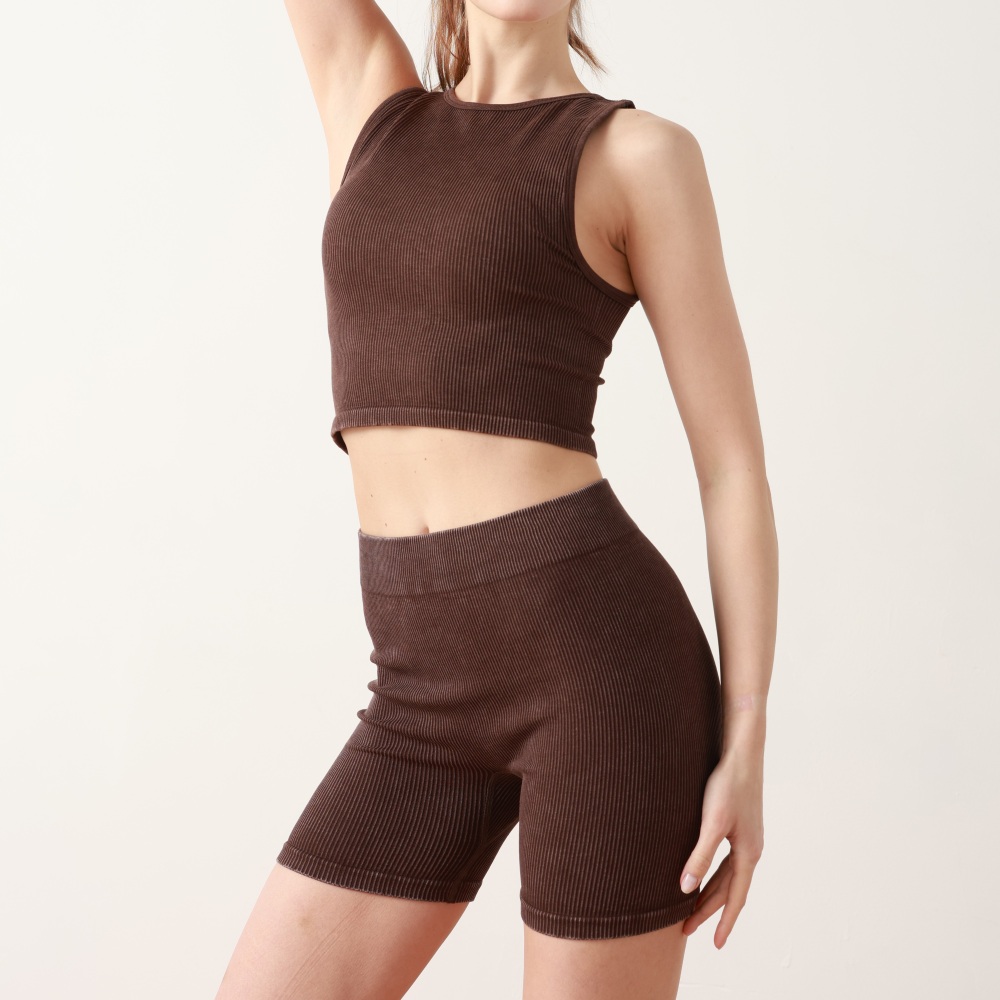
Zhiyin places ZY001 in its High Waist Leggings & Biker Shorts Sets category. The selected gallery shows a brown sleeveless top and shorts worn together. The photograph is a useful catalogue reference, but the buyer should ask the supplier to confirm the actual garments included in the proposed quotation.
Record the catalogue reference and describe each requested component in plain language. Do not add a third garment or accessory merely because it appears elsewhere in the range. If the supplier proposes loose garments rather than a combined selling unit, retain that qualification so purchasing can compare the actual offers.
Official catalogue reference: ZY001 matching outfit reference.
Give the top and shorts their own size fields
Identify the sample size or chart reference for each garment separately. Ask how the supplier maps the top and shorts into the offered set size. A single letter printed beside a set description does not explain whether the two component specifications have been reviewed or whether a particular pairing is being proposed.
If the buyer wants a different pairing, request a specific response from the supplier rather than assuming that any combination is available. Keep proposed alternatives on separate lines. The purpose is to make the requested relationship visible, not to promise custom combinations or a size range that the reviewed listing has not established.
- Confirm which garments the quotation includes.
- Keep a size reference for each component.
- Distinguish set counts from garment counts.
- Retain the accepted pairing with the order line.
Build an assortment line that preserves the pairing
Use the order line to connect the intended selling unit with the two component references. Keep quantity units explicit, particularly when separate garment counts and set counts appear in the same discussion. A count of tops is not automatically a count of complete units unless the accompanying shorts have been identified in the same way.
The worksheet is a structure for an assortment request, not an inventory or size chart confirmed for this product. Complete it using the supplier response and the buyer decision. Where the colour or size pairing remains open, leave the field unresolved rather than copying the photographed combination into the order as an assumed agreement.
| Order field | Top reference | Shorts reference |
|---|---|---|
| Supplied garment | Named requested component | Named requested component |
| Size mapping | Sample size and chart revision | Sample size and chart revision |
| Colour decision | Identified reference or sample | Corresponding accepted reference |
| Unit quantity | Count linked to set line | Count linked to the same set line |
Review the coordinated appearance without merging decisions
Ask for a representative sample combination once the supplier has identified the offered components. Review the top and shorts against their own accepted records, then assess the proposed combination. Keep component fit questions separate from the visual decision that the garments are intended to be presented together.
A shared colour name does not independently establish an approved matching result. Identify any retained colour references or sample combination used in the decision. Record the appearance actually reviewed without claiming a measured colour difference or a guaranteed match across every future delivery when no such evidence has been supplied.
Make the supplied unit clear to receiving staff
Return the accepted component mapping with the final order. Ask the supplier to confirm how the intended combinations will remain identifiable in the packing arrangement. Keep the order reference, component size fields and quantities connected so a receiving team can distinguish complete requested units from an unconfirmed mixture of loose garments.
Retain the approved mapping for reorders and review it when either component changes. A revised top should not silently inherit the shorts reference from an earlier combination. This approach keeps a wholesale activewear set enquiry tied to actual supplied pieces and accepted pairings without inventing minimum orders, production timing or performance claims.
Frequently Asked Questions
Does the photograph confirm a complete supplied set?
Ask the supplier to confirm the quoted contents. A coordinated model photograph identifies a design reference, not a complete order specification.
Can one set size replace both component charts?
The parties need to agree how that set size maps to the actual garments. Keep the relevant component references visible.
Does a matching colour name prove the final combination?
Review the identified sample combination and retain its references. A colour name alone does not establish a measured or universally consistent result.
For a product-specific enquiry, ZY001 matching outfit reference is the catalogue starting point. Read the supplier blog and contact the supplier with the references and open questions described above.