
Crop Top Orders: Define the Hem Reference
Specify a crop top hem against named points on the actual garment, with front and back fields distinguished where needed. Ask the supplier to show the measurement path and sample condition. Keep that garment measurement separate from a model photograph or a promised body-coverage level. An identified sample and repeatable method make different supplier values easier to compare.
A cropped silhouette can be clear in a photograph while the purchasing description of its hem remains vague. The buyer may mean a side length, a front length or where the garment sits on a particular wearer. This guide focuses on defining the garment reference so a bulk enquiry does not depend on an unscaled styling image.
Start with the garment that will be measured
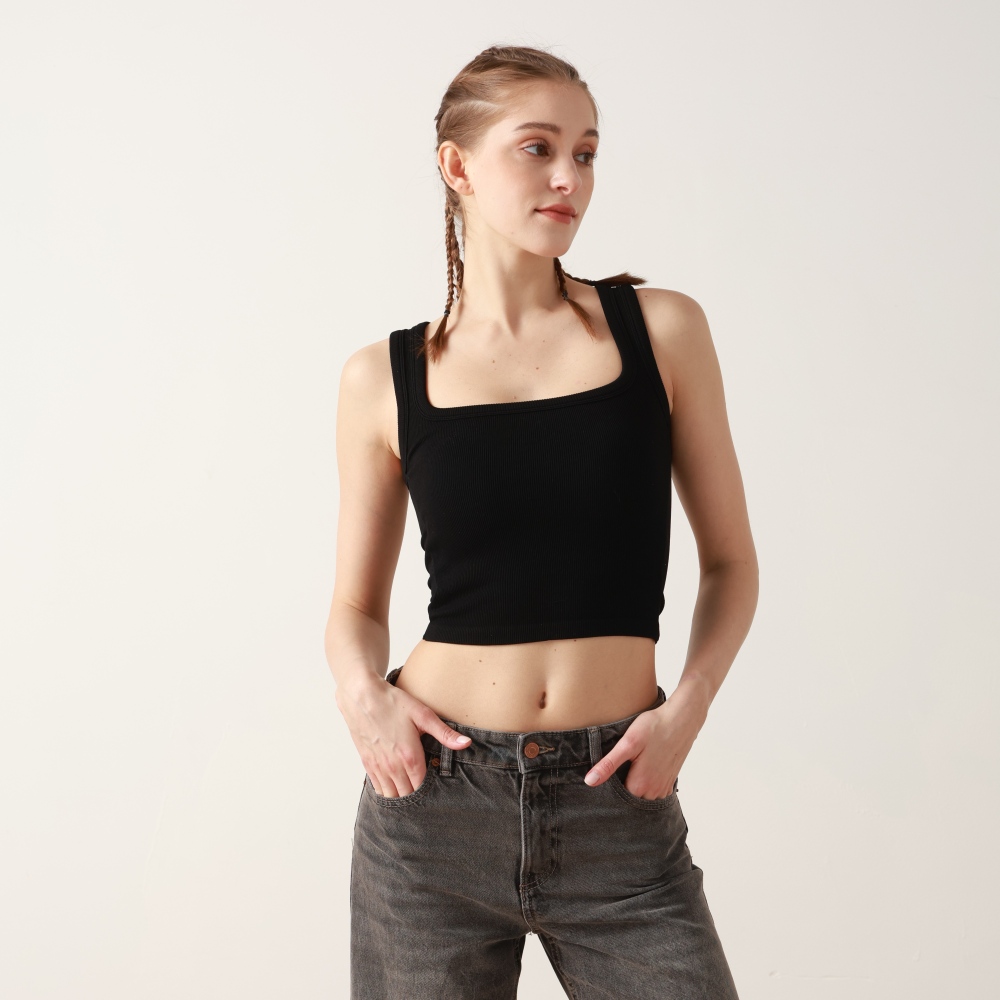
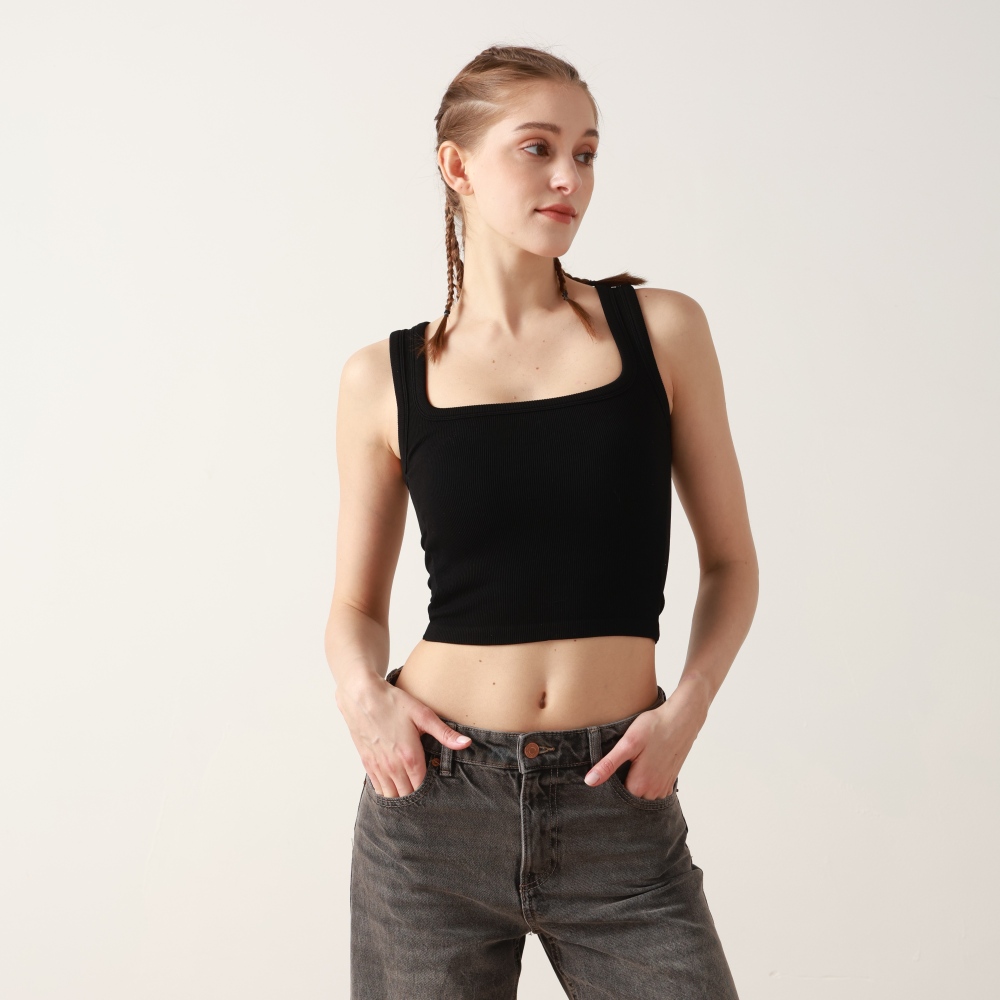
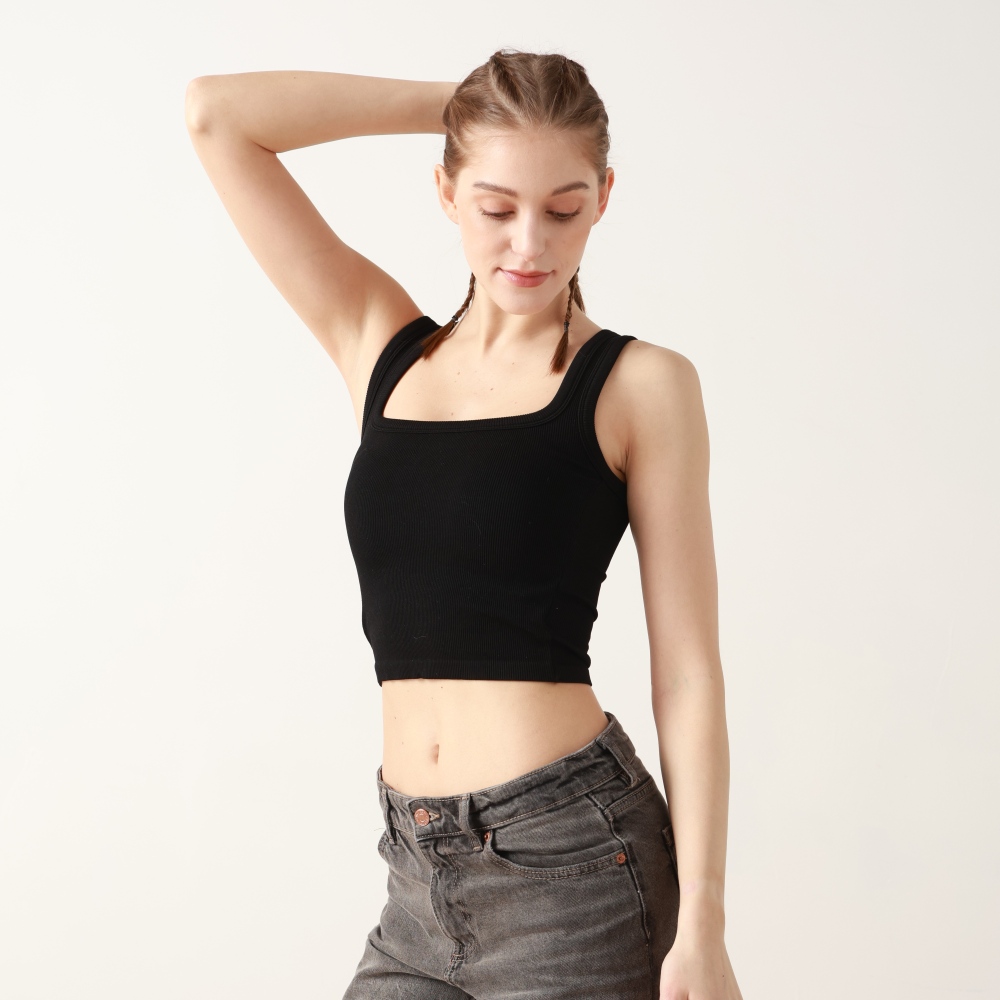
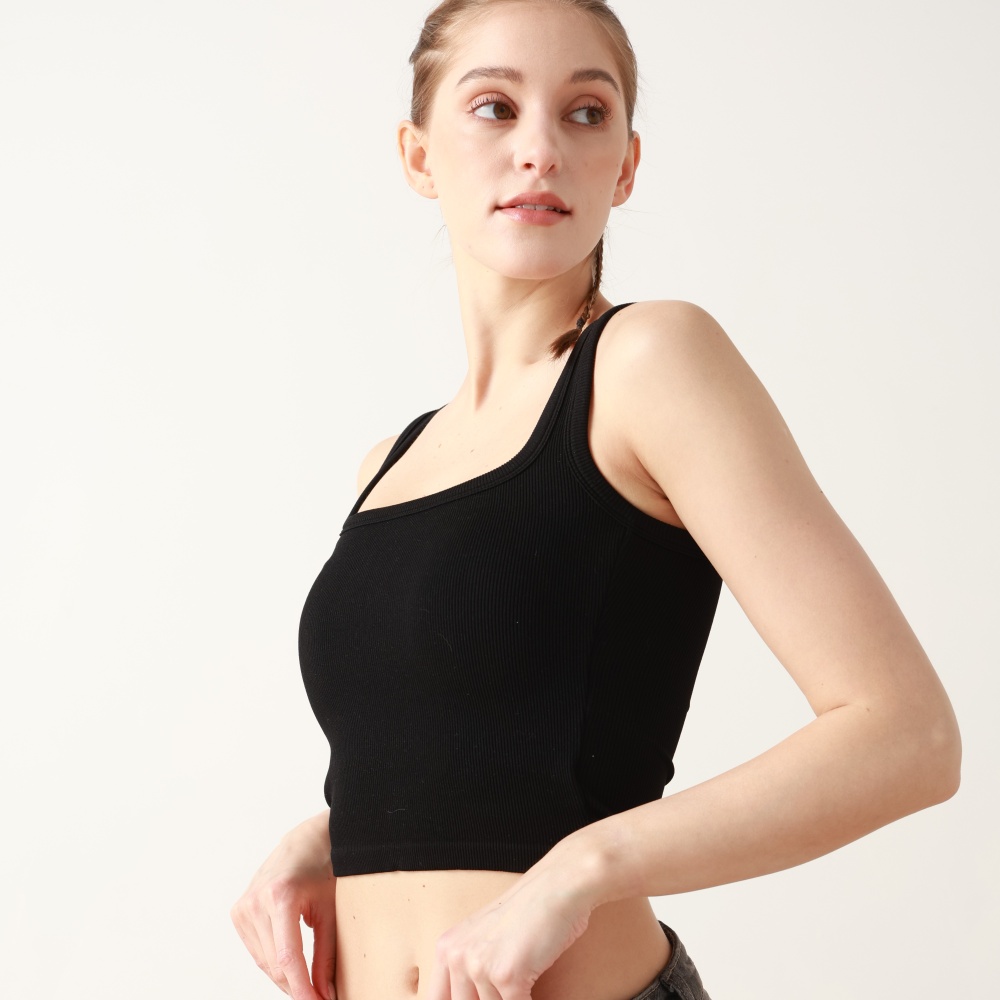
Zhiyin lists ZY0074 in its sleeveless and tank crop tops range. The official photographs show a black sleeveless cropped top from several poses. These are useful design references, but the images do not provide a measurement drawing or establish where the hem will sit on every wearer.
Retain the exact product and proposed sample size in the enquiry. Ask the supplier to identify the version being offered before comparing a size chart. Do not copy a hem position from a different top simply because its neckline or colour looks similar. The sample reference should remain visible beside every measurement comment.
Official catalogue reference: ZY0074 sleeveless crop top.
Name the upper point and the hem endpoint
Describe the upper reference point used for the requested length. Ask whether the supplier is using a named shoulder point, a neckline reference or another garment feature. Mark it on a drawing rather than assuming that the phrase top length means the same thing to both purchasing teams.
Identify the lower endpoint at the hem and show the path connecting the points. Keep the body fabric, edge finish and any relevant side reference distinguishable. Where two reviewers obtain different values, first check that they measured the same feature before treating the difference as a change to the supplied garment.
- Identify the product and sample size.
- Mark the starting point and hem endpoint.
- Name different front or back fields explicitly.
- Save the measurement condition with the chart.
Keep front, back and side fields distinguishable
Request separately named fields when the buyer needs more than one garment length. A side measurement cannot silently replace a front measurement, and a front photograph cannot establish the back reference. Ask the supplier to identify which fields its chart actually contains and which still need an answer.
The worksheet below supplies field definitions for a conversation, not dimensions confirmed for ZY0074. Complete it against the offered sample and retain any supplier qualification. Keep the requested unit beside the value so a chart copied into a later order does not lose its meaning when the original message is no longer available.
| Chart field | Definition to agree | Keep separate |
|---|---|---|
| Upper reference | Named point on the selected garment | An unmarked styling photograph |
| Hem endpoint | Finished edge and measurement path | A different side or back field |
| Sample condition | Position and any stated extension | On-model appearance |
| Accepted chart | Product, sample size and revision | Unconfirmed values from another style |
Agree the condition used for the sample reading
Ask how the garment is positioned when the measurement is taken. Record whether it is laid flat and relaxed or measured under another explicitly agreed condition. Do not infer a stretch allowance from how the top fits the model. A styled image shows appearance on that photographed person, not a finished-garment test.
If the buyer is also reviewing intended body coverage, treat that as a separate sample question. Identify the wearer or form reference used for the review without turning one observation into a universal fit promise. Keep any required fit assessment with its own conditions and decision instead of hiding it inside a single unexplained length field.
Retain the drawing with the accepted chart
Once the reference points are agreed, ask the supplier to return the requested sample values using the same field names. Review the chart with the marked drawing and identify any proposed alteration. An agreed method allows a second reviewer to understand the values without reconstructing a measurement from the original catalogue pose.
Save the drawing, sample size and chart revision with the accepted order reference. When the neckline, shoulder shape or hem construction changes, ask whether the earlier method still applies. This gives a wholesale sleeveless crop top enquiry a useful specification without inventing size tolerances, composition details or a body-coverage guarantee from the photographs.
Frequently Asked Questions
Does cropped describe an exact top length?
No. It describes the silhouette direction. Agree the actual measurement points, unit and sample condition for the selected top.
Can the model photograph define the hem position?
Use it to identify the design. It is not a scaled garment drawing and does not establish coverage for every wearer.
Should front and side lengths share one field?
Only if the parties have explicitly agreed one definition. Otherwise label them separately and ask for the relevant sample values.
For a product-specific enquiry, ZY0074 sleeveless crop top is the catalogue starting point. Read the supplier blog and contact the supplier with the references and open questions described above.